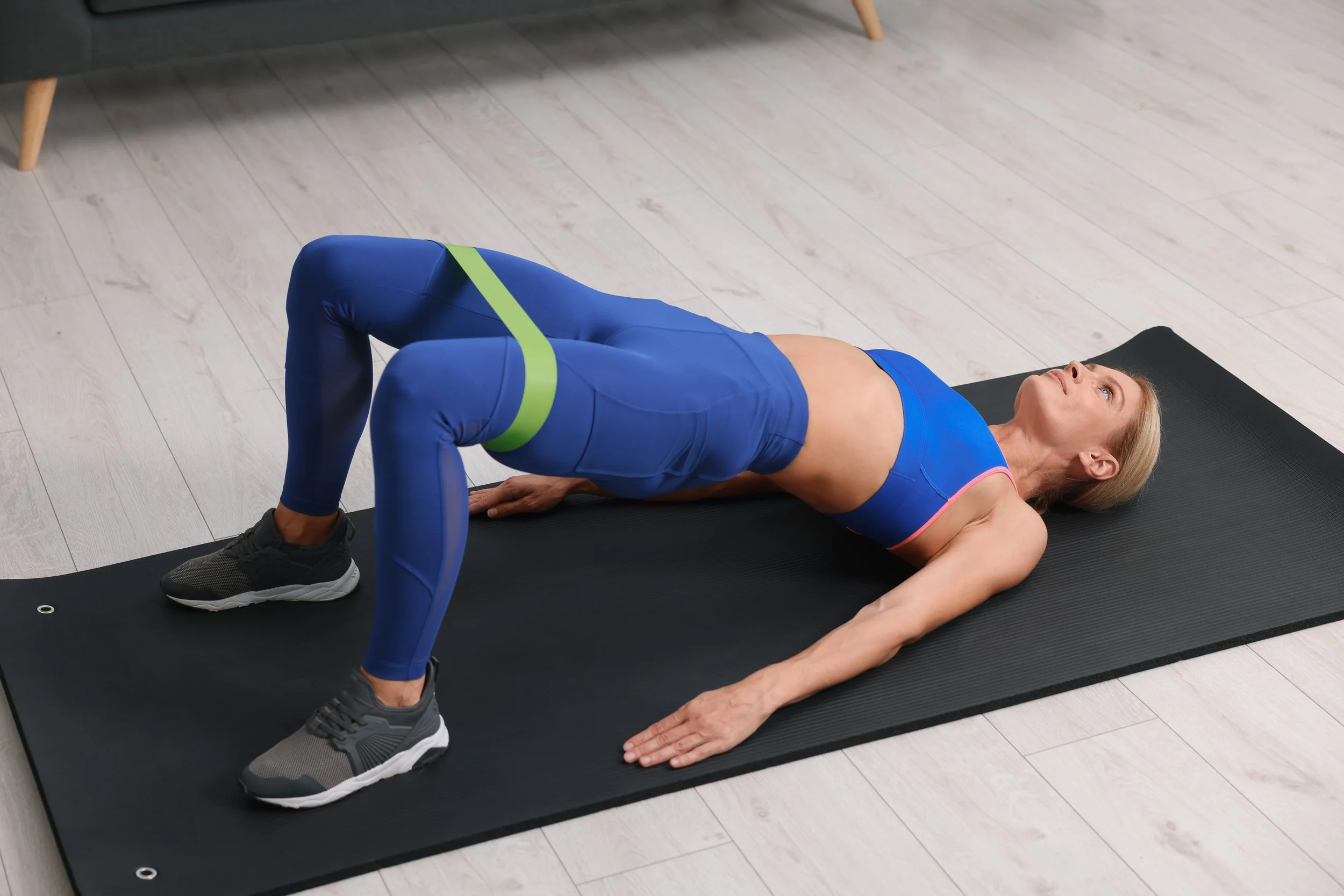
Understanding Lateral Hip Pain
Greater Trochanteric Pain Syndrome (GTPS) is a common condition causing pain on the outside of the hip, frequently linked to gluteal tendon irritation or degeneration. Often affecting women aged 40–60 and active individuals, symptoms include lateral hip discomfort, pain when lying on the affected side, and stiffness after rest. While recovery can be a slow, gradual process that may last 12 months or more, a personalized management plan—typically focusing on gradual gluteal strengthening and lifestyle modifications—offers a very positive prognosis for a full recovery. At Beechboro Physio, we can guide you through the recovery process.

Understanding Pessaries
Are you struggling with pelvic organ prolapse or stress urinary incontinence? You don't have to choose between giving up your favorite activities and undergoing invasive surgery. Discover how a vaginal pessary acts like a "sports bra" for your pelvic floor, providing immediate relief from heaviness and leaking. In this comprehensive guide by Beechboro Physiotherapy, we break down what a pessary is, the benefits of non-surgical management, and what to expect during a professional fitting. Plus, learn our top 3 essential pelvic floor exercises to keep your muscles strong and functional. Reclaim your confidence and active lifestyle today.
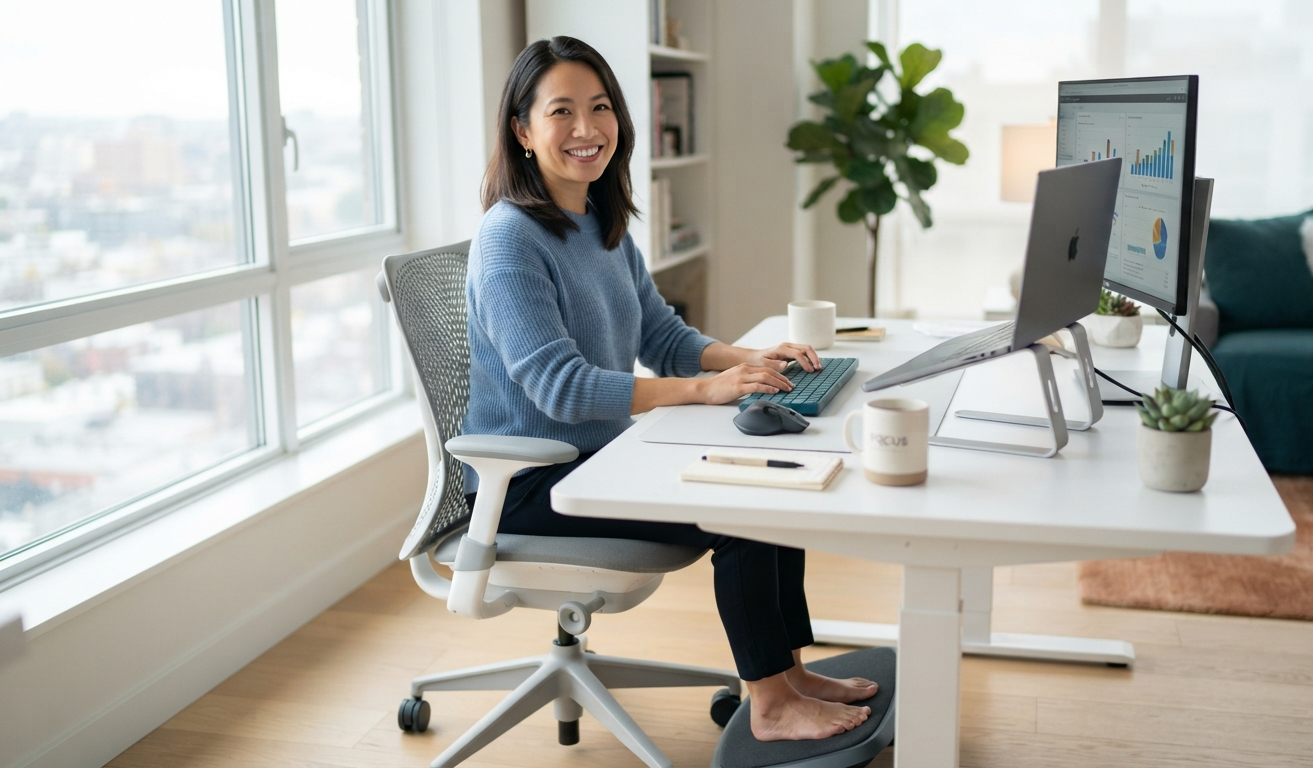
The Ultimate Remote Work Ergonomics Guide
While remote work offers incredible schedule flexibility and eliminates the stressful daily commute, an unoptimized desk setup can quickly lead to painful neck tension, stiff joints, and chronic lower back pain. Discover the essential biomechanical rules of home ergonomics, learn the definitive do's and don'ts of setting up your remote workstation, and master our top three targeted physiotherapist-approved exercises to keep your spine healthy, pain-free, and active all year round.
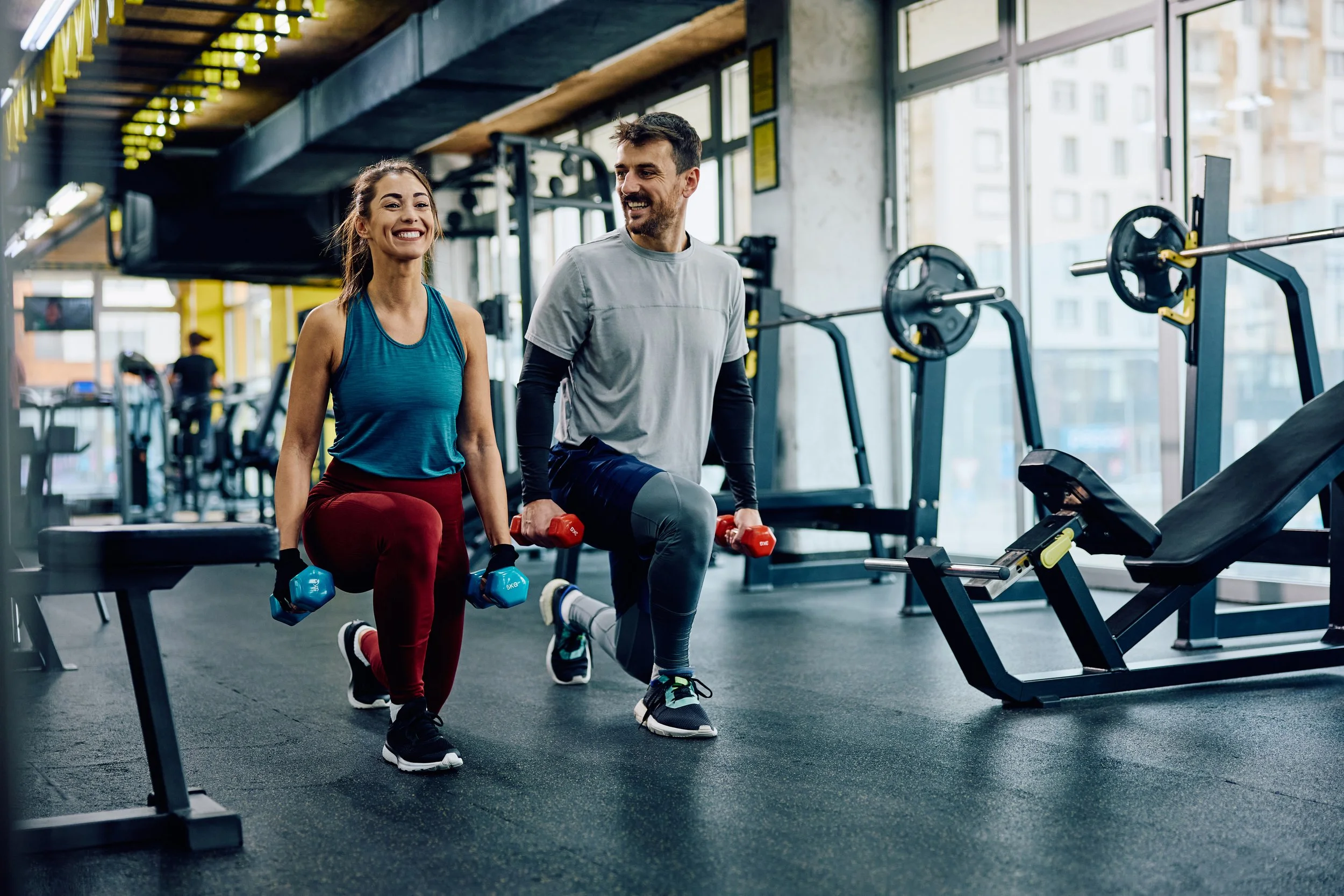
Managing Gym Anxiety
Attending the gym can be helpful for cardio workouts, rehabbing an injury, or for building strength and conditioning. The friendly team at Beechboro Physio offers a few simple, practical tips to help manage gym anxiety and make the most of your sessions.

Tennis Elbow: Why You’re in the Club
Think "Tennis Elbow" is just for athletes? Think again. Lateral Epicondylalgia is a common condition affecting everyone from office workers to local tradies in Perth. Characterized by pain on the outside of the elbow and a weakened grip, it can make daily tasks like opening a jar or using a mouse agonizing. In this comprehensive guide, the team at Beechboro Physiotherapy breaks down the science of tendon health, explains why "rest and ice" often isn't enough, and shares our evidence-based "Top 3 Exercises" to get you back to full strength. Learn how progressive loading and professional assessment can help you "resign" from the Tennis Elbow club for good.

Understanding Load vs. Capacity in relation to low back pain
Back injuries commonly arise when the mechanical load placed on the spine exceeds its current capacity to tolerate that load; capacity is determined by factors such as muscle strength, endurance, flexibility, prior injury, fatigue, and recovery, while load includes external forces, bodyweight, posture, repetition and movement speed. When load is gradually increased within the spine’s capacity, tissues adapt and become stronger; conversely, sudden spikes in load — lifting heavier objects, repetitive bending or twisting, or prolonged awkward postures without adequate rest — can overwhelm tissues, leading to microtrauma, pain and dysfunction. Psychosocial factors (stress, poor sleep) and deconditioning further reduce capacity, narrowing the margin of safety and making otherwise routine tasks injurious. Effective prevention and rehabilitation therefore focus on reducing harmful loads, improving tissue capacity through targeted exercise and graduated exposure, and addressing recovery and lifestyle factors to restore a balanced load–capacity relationship.
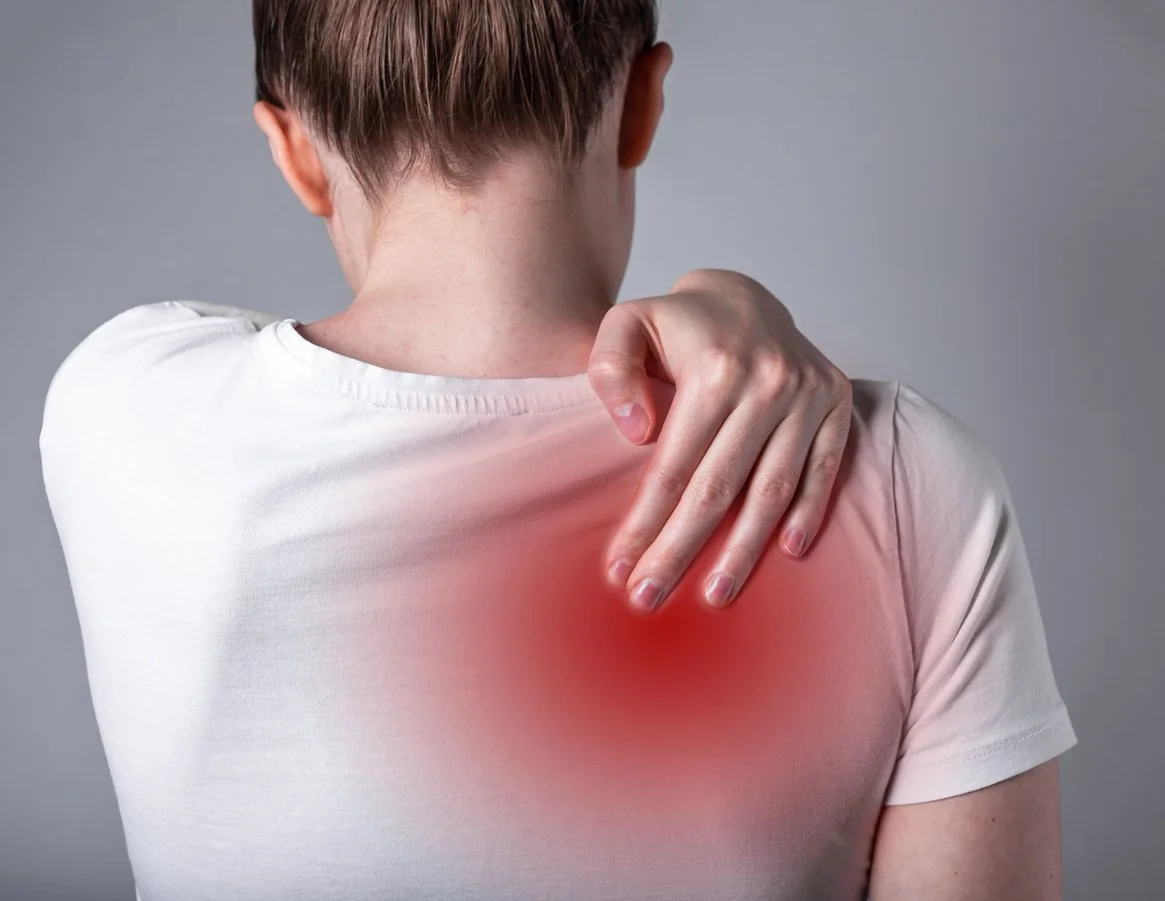
Pain Between the Shoulder Blades: What’s Going On?
Medial scapular pain — that nagging ache along the inner edge of the shoulder blade — can stem from poor posture, overuse, muscle imbalance, nerve irritation or referred pain from the neck; our blog explains these common causes and how tailored physiotherapy assessment, targeted strengthening and mobility exercises, postural retraining, activity modification and manual therapy can reduce pain and restore function. We also cover practical self-management strategies you can use at home, when to seek professional care, and how Pilates exercises and therapeutic massage at Beechboro Physio support recovery for people of all abilities across Morley and the Swan Valley.

And breathe… relax your pelvic floor muscles to ease pelvic pain
Learning to breathe and relax your pelvic floor is a simple yet powerful tool for improving bladder and bowel control, easing pelvic pain, and enhancing core function. This post explains how the breath and pelvic floor work together, offers practical, safe breathing techniques you can use anywhere, and guides you through gentle cues to release tension rather than tighten—ideal for new parents, people recovering from injury or surgery, and anyone feeling pelvic tightness. Whether you’re practising Pilates, preparing for labour, or managing pelvic discomfort, these evidence-informed tips from Beechboro Physio will help you reconnect with your body and restore balanced pelvic function.

Do you have longstanding back pain?
Do you have longstanding back pain? GLA:D Back at Beechboro Physio can help.
GLA:D Back is an evidence-based education and exercise program designed for people with persistent, non-specific low back pain. Developed from international research, it combines simple, practical information about the causes and management of back pain with supervised, individually progressed exercises that build strength, movement control and confidence. The goal is to reduce pain, improve function and lower the risk of flare-ups — without relying on invasive treatments or long-term medication.
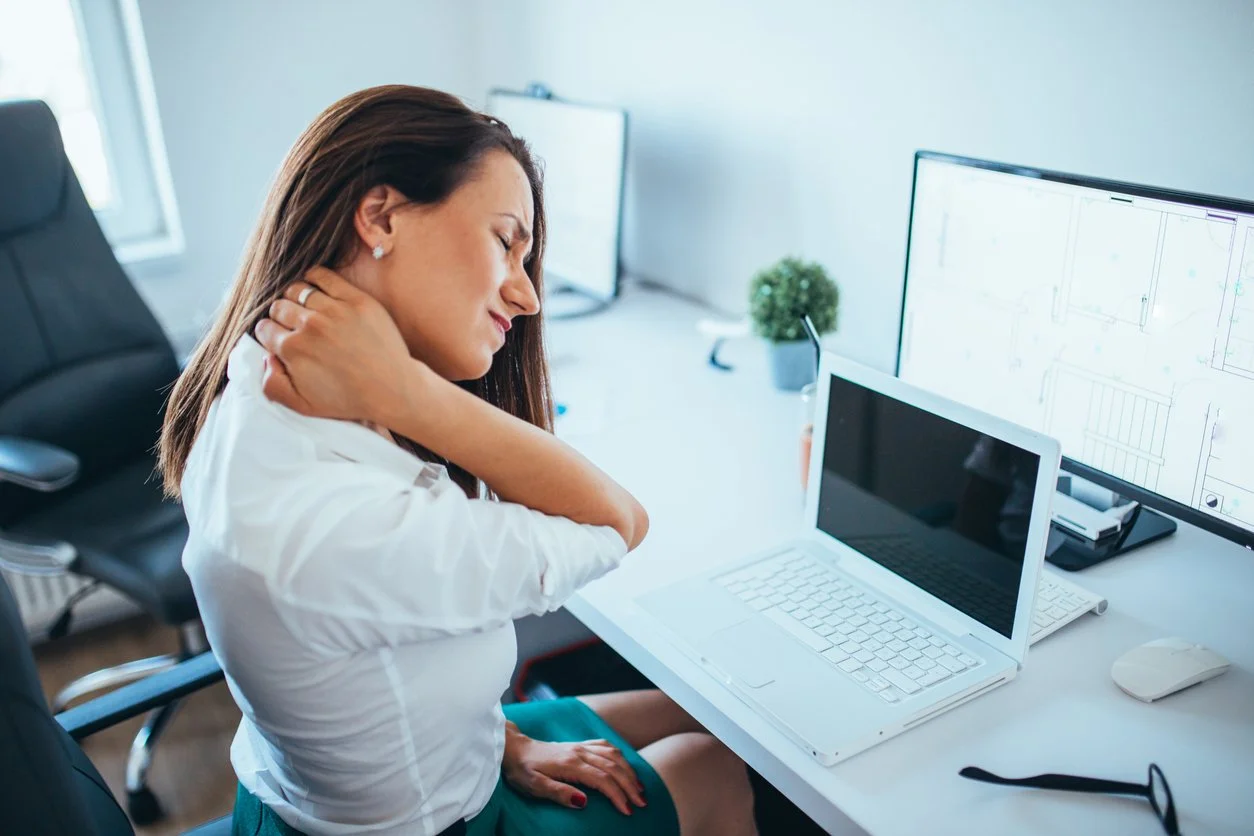
What is Wry Neck?
The "What is Wry Neck" blog on the Beechboro Physio website provides a clear and concise overview of this common condition, explaining its causes, symptoms, and the typical impact on daily movement. It outlines the clinical presentation, including the characteristic stiffness and pain that restrict neck motion, and highlights the importance of timely assessment and treatment to prevent chronic issues. The blog also discusses effective physiotherapy interventions tailored to relieve discomfort, restore mobility, and promote healing, reinforcing Beechboro Physio’s commitment to comprehensive care for neck-related ailments.