A Non-Surgical Solution for Pelvic Floor Support
For many women, conversations about pelvic floor health are still surrounded by unnecessary silence. Whether it is the sudden, unexpected leak during a morning run, or a persistent feeling of heaviness by the end of the day, pelvic floor dysfunction is incredibly common. But common does not mean you have to simply "put up with it."
If you have been diagnosed with Pelvic Organ Prolapse (POP) or Stress Urinary Incontinence (SUI), you might feel like your only options are giving up the physical activities you love, or undergoing invasive surgery. Fortunately, there is a highly effective, non-surgical tool that can help you reclaim your confidence and your active lifestyle: the vaginal pessary.

What is a Pessary?
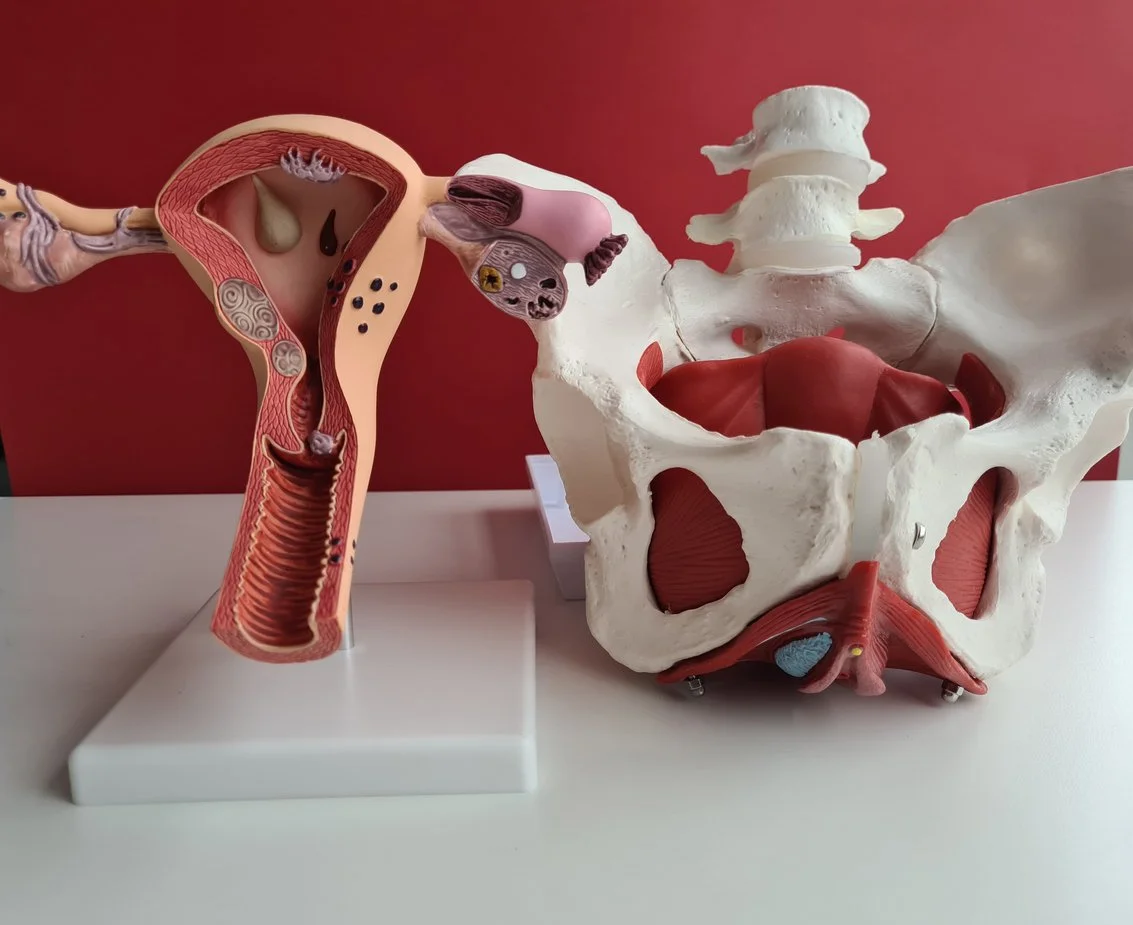
In simple terms, a pessary is a removable medical device, usually made from medical-grade silicone, that is inserted into the vagina to provide structural support to your pelvic organs (the bladder, uterus, and rectum).
Think of it like a sports bra for your pelvic floor. Just as a sports bra supports breast tissue during high-impact movement, a pessary physically holds up descending pelvic organs, reducing strain on your ligaments and muscles. They come in dozens of shapes and sizes—rings, cubes, and dishes—because every woman’s internal anatomy and support needs are entirely unique.
Why Consider a Pessary?
Choosing to use a pessary can be a transformative decision for your pelvic health. Here is why many women—and their physiotherapists—love them:
Symptom Relief: A well-fitted pessary provides immediate relief from the heavy, dragging sensation associated with prolapse. It can also instantly stop or significantly reduce the leaking caused by stress urinary incontinence.
A Return to High-Impact Exercise: If you have stopped running, jumping, or lifting weights because of leaks or prolapse symptoms, a pessary can provide the mechanical support necessary to get you back to the gym safely.
A Non-Surgical Alternative: Surgery is not always the right choice for everyone. Whether you are planning to have more children, wish to avoid surgical risks, or simply want a conservative management approach first, a pessary gives you control without the downtime of an operation.
Diagnostic Value: Sometimes, we use a pessary temporarily to see if supporting the prolapse actually resolves your specific symptoms, which helps guide long-term treatment plans.
How Does the Fitting Process Work?
Getting a pessary is not a guessing game; it is a highly individualized clinical process. Here at Beechboro Physiotherapy, our Pelvic Health Physiotherapists manage the process with deep respect for your comfort and dignity.
Comprehensive Assessment: We start by talking. We review your symptoms, your bladder and bowel habits, your exercise goals, and your medical history. Next, we perform a gentle internal examination to assess your pelvic floor muscle strength, the degree of prolapse, and your vaginal anatomy.
The Fitting: Based on your assessment, your physiotherapist will select a trial pessary. The fitting process involves trying different sizes or shapes until we find the "Goldilocks" fit—one that stays in place when you move, cough, or bear down, but is completely comfortable. In fact, a correctly fitted pessary should not be felt at all once it is in.
Testing it Out: We do not just fit you on a bed and send you home. We will get you to stand up, walk around the clinic, do a few squats, or even jump on the spot to ensure the device performs under pressure.
Self-Management: Our ultimate goal is empowerment. We will teach you how to insert, remove, and clean your pessary yourself, so you have complete control over your care.
Top 3 Exercises for Pelvic Floor Health
A pessary provides excellent passive support, but it does not replace the need for active muscle conditioning. Just like wearing a knee brace doesn't excuse you from strengthening your quads, you still need to train your pelvic floor muscles.
Here are three foundational exercises to support your pelvic health, whether you use a pessary or not:
1. "The Knack" (Pre-Emptive Bracing)
This is a timing coordination exercise designed to protect your pelvic organs from sudden spikes in intra-abdominal pressure.
How to do it: Just before you cough, sneeze, laugh heavily, or lift something heavy, consciously squeeze and lift your pelvic floor muscles (imagine stopping the flow of urine and holding in wind simultaneously).
Hold: Keep the contraction strong throughout the cough or the lift.
Release: Fully relax the muscles once the event has passed.
2. Sub-Maximal Endurance Lifts
Instead of doing fast, maximum-effort squeezes, this exercise builds the endurance your muscles need to support you all day long.
How to do it: Sit or lie in a comfortable position. Gently lift your pelvic floor to about 50% of your maximum effort.
Hold: Try to maintain this gentle lift for 10 seconds while breathing normally. Do not hold your breath!
Release: Let the muscles completely relax for 10 seconds. Repeat this 8 to 10 times.
3. Diaphragmatic Breathing and Pelvic Drop
A healthy pelvic floor must be able to relax. A tight, overactive pelvic floor can actually worsen symptoms of urgency and pain.
How to do it: Lie on your back with your knees bent. Place your hands on your lower ribcage.
Inhale: Breathe in deeply through your nose, directing the air down so your ribs expand sideways and your belly gently rises. As you inhale, visualize your pelvic floor melting, dropping, and opening.
Exhale: Let the air out passively through your mouth, allowing the belly and pelvic floor to return to their natural resting state without forcing them. Repeat for 2-3 minutes to down-regulate your nervous system.

Taking the Next Step
Living with a pelvic floor issue can feel isolating, but you are absolutely not alone, and you have excellent, evidence-based options available to you. A pessary is a safe, effective, and empowering way to manage symptoms and get back to living life on your own terms.
If you are curious about whether a pessary could help you, or if you simply want a comprehensive check-up of your pelvic floor health, our dedicated team is here to help you navigate the process with compassion and clinical excellence.
If you need support, call Beechboro Physiotherapy on 08 9377 2522 to book an appointment.