What is the 4/10 Rule?

If you’ve ever had a physiotherapy session, you might have heard your physio say something like, "You can do this as long as it doesn’t give you more than 4/10 pain." While it might sound odd at first, this is actually a sign of a good physio. A bit of discomfort is sometimes part of the process, especially when you're rehabilitating. However, it’s also common to feel concerned about experiencing pain during exercise, so let’s break it down.
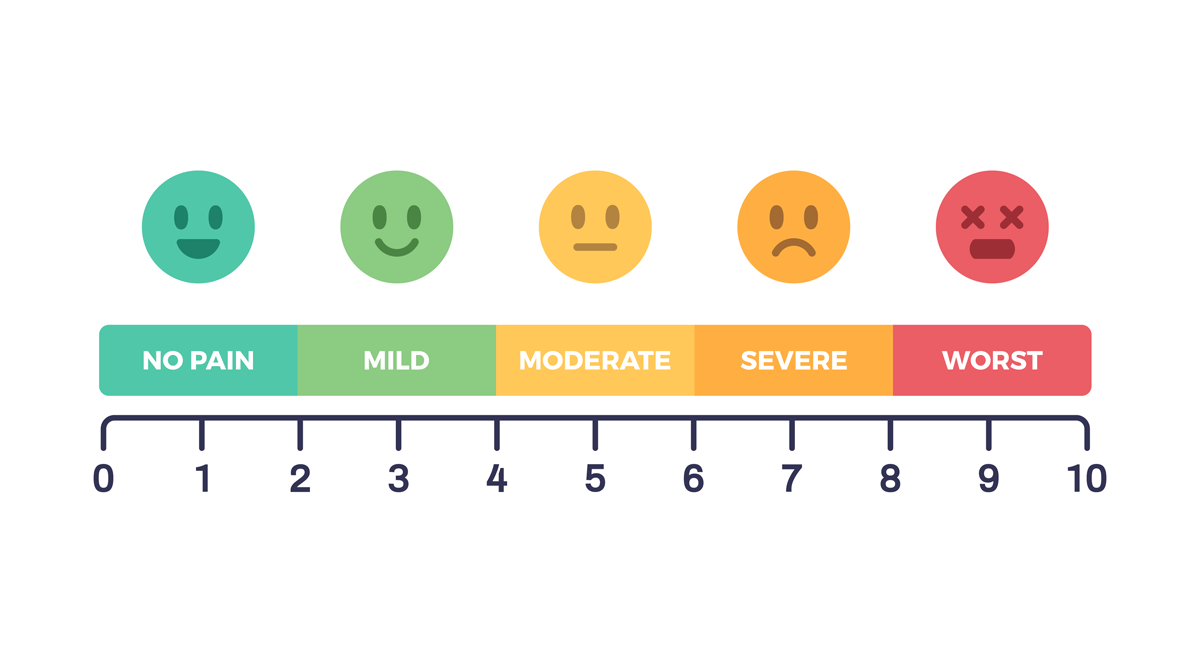
The Numerical Pain Rating Scale
The Numerical Pain Rating Scale (0-10/10) is a tool we commonly use to measure pain during movement or exercise. It's subjective and can vary for each individual. The general rule is: if you're experiencing pain in the range of 1-4/10, it's usually acceptable during rehabilitation exercises, as long as this number doesn't increase. But be mindful not to consistently push towards the 4/10 limit; aiming to limit pain levels closer to 2/10 is preferable for most of your training. It's okay to push into the 3-4/10 range occasionally if you're tolerating it well.

If you’re not into numbers, here’s an alternative guide: if you experience mild discomfort during exercise that settles within an hour or two afterwards, it’s generally fine to continue. However, if the pain lingers into the evening or worsens over the next 24 hours, you’ve likely overdone it, and adjustments to your program are needed.
If you are curious on how to apply this to your daily exercise or rehabilitation routine, don’t hesitate to book in with your physiotherapist and discuss how to incorporate this approach effectively.