Greater Trochanteric Pain Syndrome
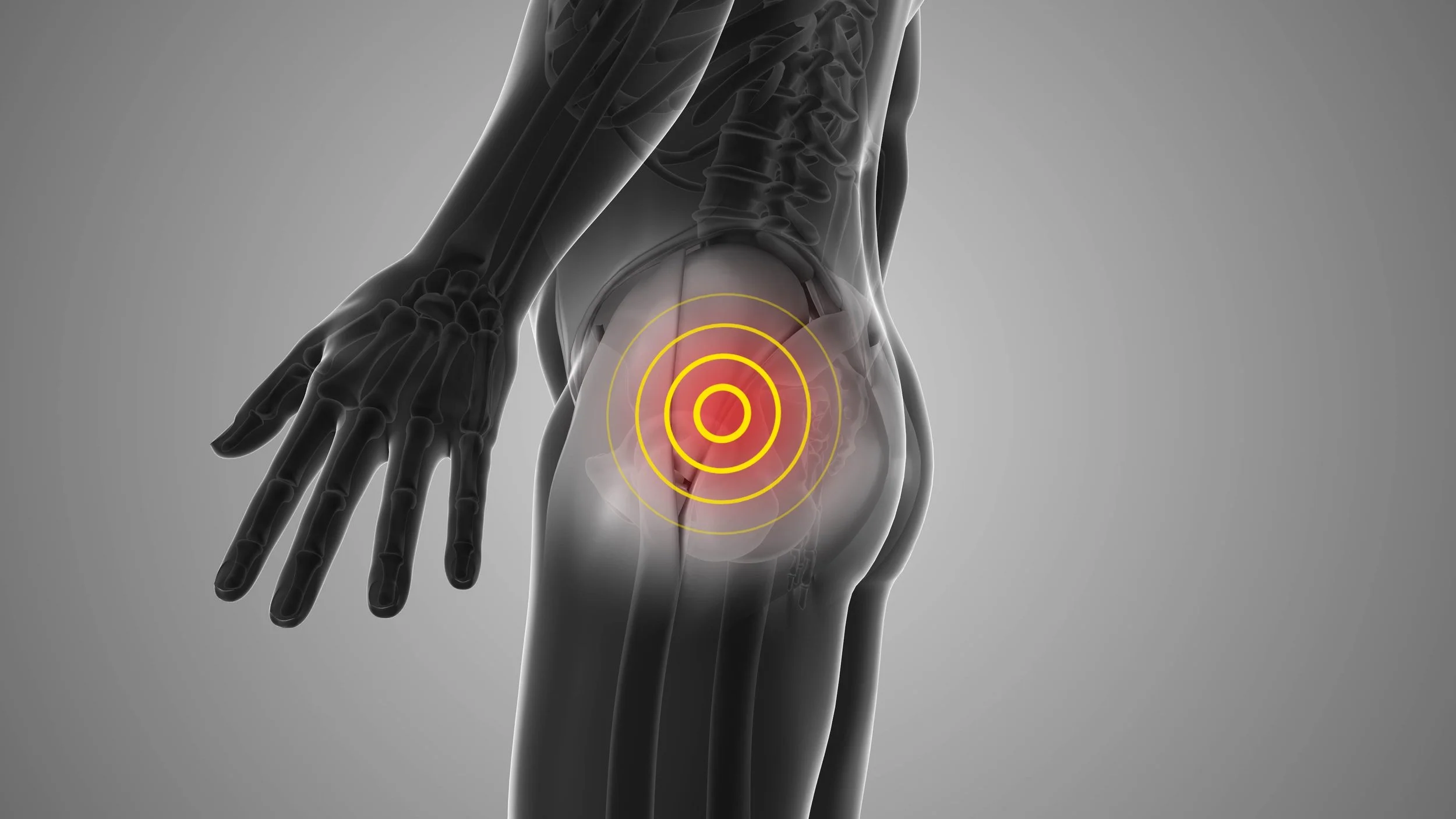
If you're experiencing pain on the outside of your hip, often near the bony bump, you might be dealing with a condition known as Greater Trochanteric Pain Syndrome (GTPS). This is a common cause of lateral (outside of the) hip discomfort and is typically linked to irritation and damage in the gluteal tendons where they join onto the outside of the hip.
What does it Affect?
GTPS is most frequently seen in women aged 40-60, often due to hormonal changes that affect tendon health. However, it also affects active individuals who suddenly increase their physical activity, as well as some patients recovering from hip surgery.
Common Symptoms?
People with GTPS often report:
Pain directly on the side of the hip.
Discomfort when lying on the painful side.
Stiffness or pain during the first few steps after sitting or resting.
Increased pain and discomfort in the mornings.
A Complex Joint, A Range of Causes
The hip is a complicated joint, and while lateral hip pain is a hallmark of GTPS, it’s important not to self-diagnose. Other hip conditions can present similarly. A visit to your physiotherapist is key to ruling out other causes and ensuring the right management plan.
GTPS is sometimes also referred to as gluteal tendinitis or gluteal tendinopathy. Despite the name, the issue tends to be more about chronic tendon degeneration (breakdown) rather than inflammation. This means treatments like anti-inflammatories may not be very effective, and why we are moving away from the “tendinitis” name and towards “tendinopathy”.
Management & Recovery
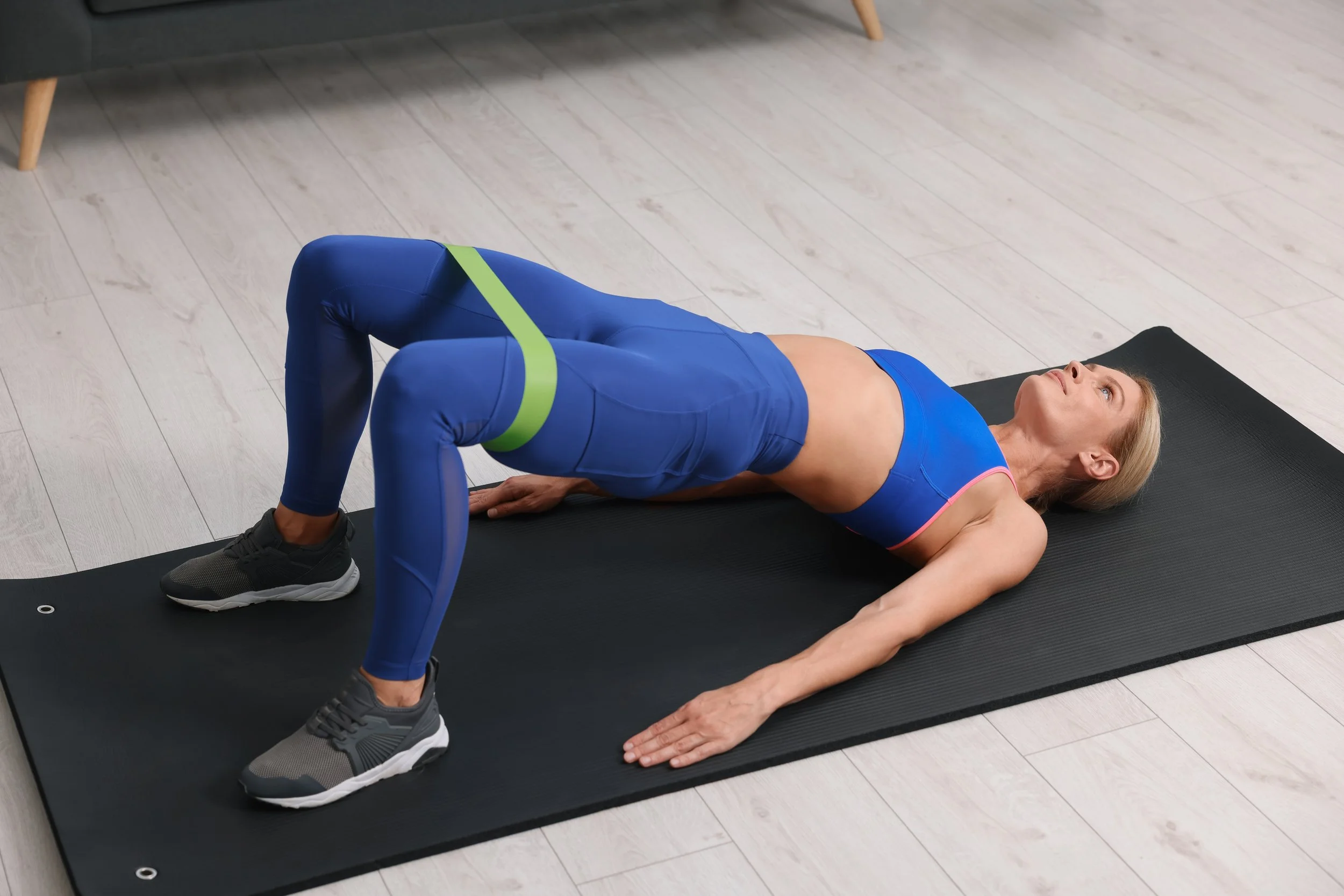
Treatment typically revolves around gradual strengthening of the gluteal muscles, as well as the rest of the muscles around the hip. This strengthening helps improve load tolerance and overall tendon health.
Some manual therapy treatments from your physiotherapist can also help with alleviating some of the symptoms, allowing you to complete your exercises with less discomfort.
Tendons typically don’t like excessive compression or overstretching when sore, so here are some helpful tips you can start now and see if they provide some benefit.
Limit lying on the painful side.
When sleeping on the opposite side, place a pillow between your knees to prevent the sore leg from crossing over and stretching the tendon.
Refrain from leaning on one hip while standing.
Limit sitting in low or deep chairs that put the gluteal tendon in a compressed position.
Limit sitting cross-legged for long periods.
What to Expect
Recovery from GTPS can be slow and gradual. It’s not uncommon for symptoms to linger for up to 12 months or more. However, with consistent treatment from your physiotherapist and the right modifications, the prognosis is very good, and most people can expect to make a full recovery.