Your Guide to a More Comfortable Pregnancy
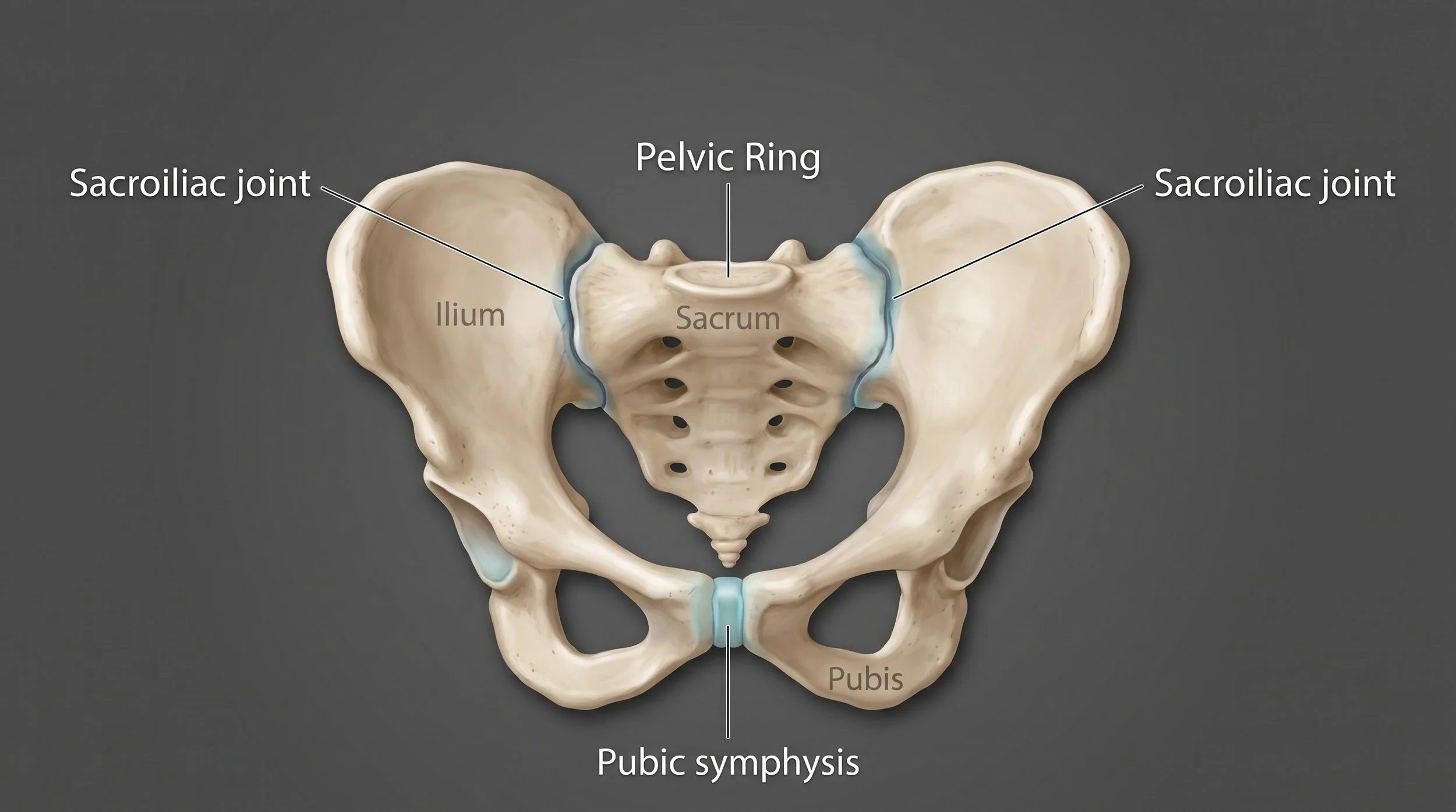
Pregnancy often means staying on the move – walking the dog around the local lakes, chasing toddlers at the park, working right up until maternity leave and getting the baby’s ready on weekends. So when every step, stair or roll over in bed starts to hurt around your pelvis, it can be hard to keep up. Many women describe a deep ache at the back of the pelvis, a sharp pain at the front over the pubic bone, or a catching, "giving way" feeling when walking or standing on one leg. Your pelvis is a ring of bones joined at the back by the two sacroiliac joints and at the front by the pubic symphysis. These joints and the muscles around them transfer load between your spine and legs every time you move. When this area becomes painful during pregnancy, we call it pregnancy-related pelvic girdle pain, or PGP.
At Beechboro Physiotherapy, we frequently help women with pelvic girdle pain. The key message is that PGP is common and treatable – it is not something you simply have to "push through" until the baby arrives, and an active, tailored approach usually works far better than resting and waiting.
The "Why": Understanding Pelvic Girdle Pain
Pelvic girdle pain affects around one in five pregnant women. It is influenced by a mix of factors: the weight and position of your growing baby, changes in posture and the way you move, pregnancy hormones that alter how your connective tissues behave, and how well the muscles around the pelvis are coping with the extra demand.
A common myth is that the pelvis is "unstable" or "out of place". You may also have heard the older term "symphysis pubis dysfunction" (SPD). In reality, the joints are not dislocated and do not need to be "put back in". PGP is better understood as a pain-sensitive pelvis that is not tolerating load well at the moment – which means it can respond well to the right kind of movement and support.
We classify the condition into two primary areas of pain, and many women have both:
Posterior pelvic pain (sacroiliac joint): Pain is felt deep in the buttock, near the dimples at the base of the spine, on one or both sides. It is often provoked by prolonged walking, standing or turning in bed.
Pain below the waistline, sometimes spreading into the back of the thigh
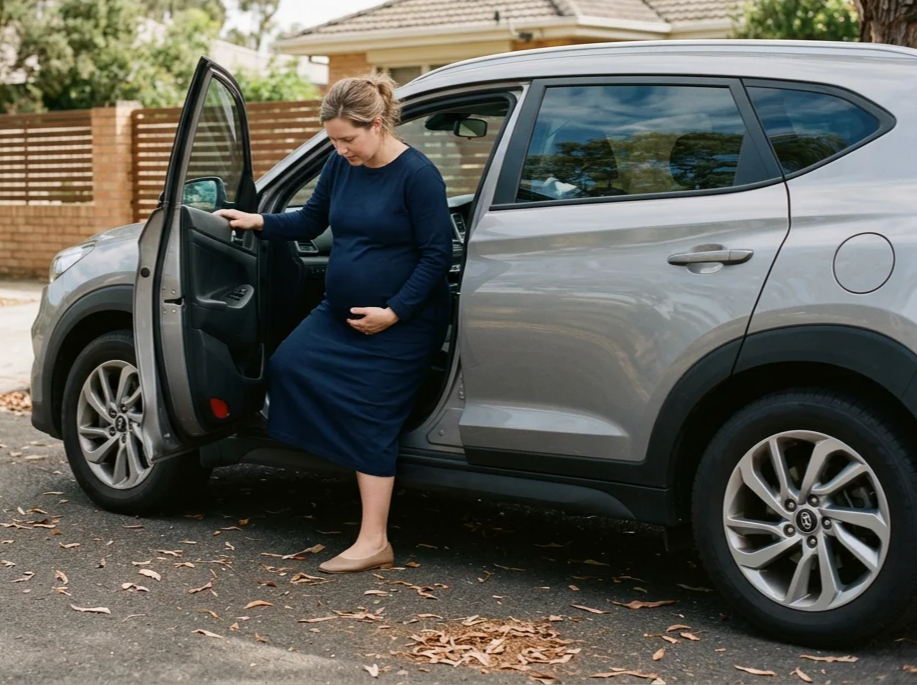
Worse with standing on one leg, stairs and getting out of the car
Rehab usually focuses on gluteal and deep abdominal strength plus pacing
Rebuilding tolerance to single-leg tasks such as walking and stairs
Anterior pelvic pain (pubic symphysis): Pain is felt at the front of the pelvis, over the pubic bone, and can spread into the groin or inner thighs. It is often provoked by movements where the legs move apart or in different directions.
Sharp pain over the pubic bone, sometimes with clicking
Worse with getting dressed, stepping into a bath and rolling in bed
Rehab usually focuses on movement strategies and a pelvic support belt
Rebuilding inner-thigh and gluteal strength in comfortable ranges
Key Risk Factors
Any pregnant woman can develop PGP, but some factors make it more likely. Common risk factors include:
A history of low back pain or pelvic girdle pain, including in a previous pregnancy
Previous injury to the pelvis
Physically demanding work, especially lifting, twisting or long periods of standing
Having had more than one previous pregnancy
Recognising the Symptoms
PGP is diagnosed through a careful history and physical assessment, including simple pain provocation tests and a check of how you lift each leg while lying down. Typical symptoms include:
Pain over the sacroiliac joints at the back, over the pubic bone at the front, or both
Pain with walking, stairs, standing on one leg or getting in and out of the car
Pain turning over in bed or getting dressed
A feeling of weakness or the leg "giving way", or a waddling walk
Because pelvic pain in pregnancy can occasionally have other causes, it is important to see a physiotherapist for a proper assessment rather than self-diagnosing. Always contact your midwife or doctor promptly if pain is accompanied by bleeding, fever, regular tightenings, or pain that is severe and constant.
The "How": Rehabilitation and Smart Movement
The biggest mistake we see is complete rest. Stopping activity altogether can lead to deconditioning, stiffness and low mood, and the pelvis often becomes more sensitive rather than less. Staying active within comfortable limits is a central part of the clinical guidelines for PGP.
The second common pitfall is the opposite – "pushing through" painful tasks and then paying for it later in the day. Small changes make a big difference: keeping your knees together when rolling in bed or getting out of the car, sitting down to put on pants and shoes, taking smaller steps, going up stairs one step at a time, and breaking long walks or chores into shorter bouts.
What the evidence supports is a combination of education, tailored exercise and practical support. Exercise programmes during pregnancy can reduce pain and help women stay at work and active. A pelvic support belt can offer short-term relief, and hands-on treatment may help settle symptoms so that you can move more comfortably. We monitor progress with the pain-monitoring model: mild discomfort during exercise is acceptable, as long as it settles quickly and is no worse the next morning.
Top 3 Exercises for Pelvic Girdle Pain
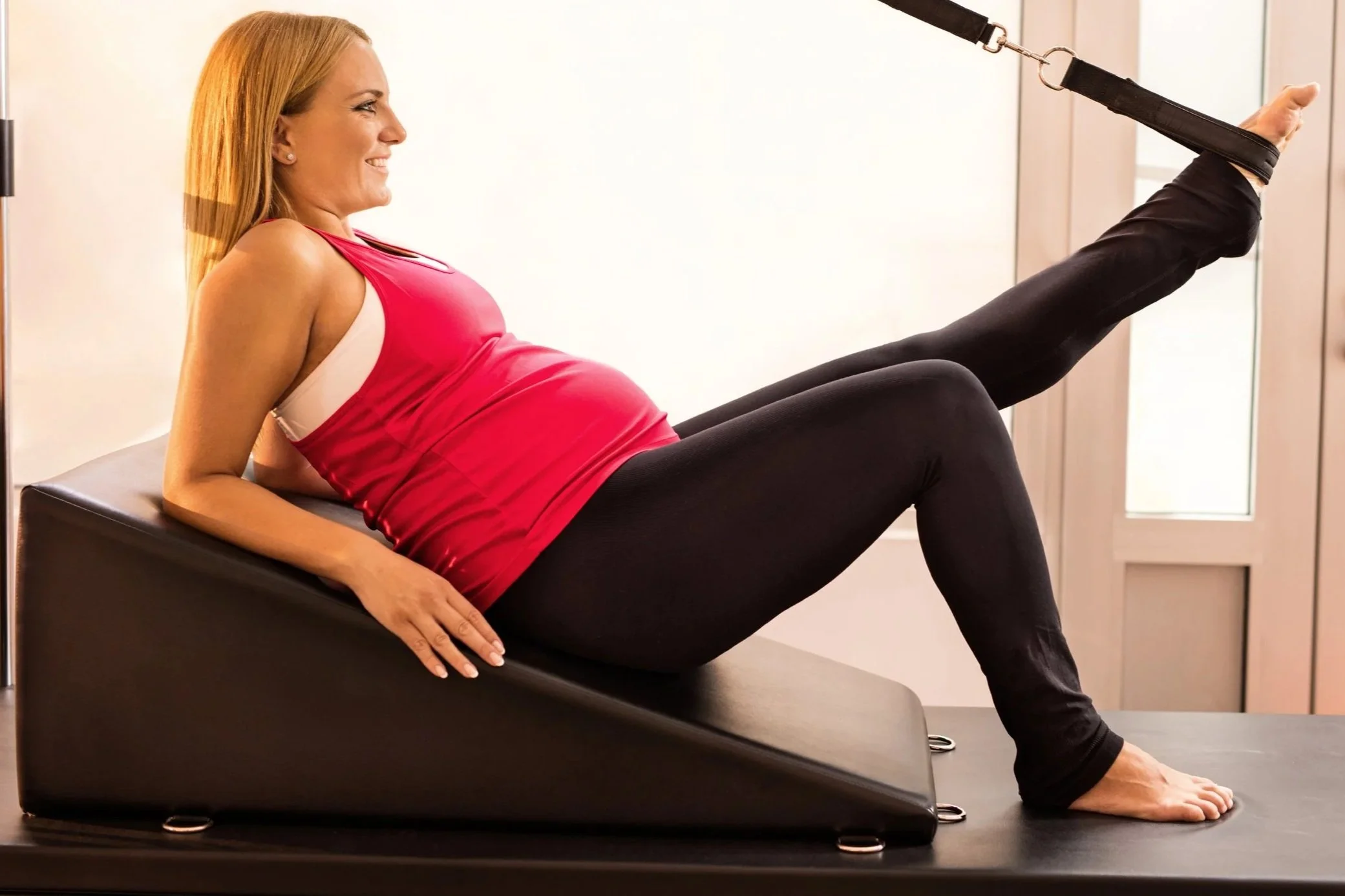
The goal is to match the exercise to what your pelvis can tolerate right now and build up gradually over the coming weeks. These exercises should feel comfortable; if any of them increase your pain, stop and ask your physio for a modification.
1. Pelvic Floor and Deep Abdominal Connection
Gently activating your pelvic floor and deep abdominal muscles together helps support the pelvis during everyday movements, and it is a skill you can then use when rolling, standing and lifting.
How to perform: Sit tall on a chair or lie on your side with a pillow between your knees. Breathe in and let your belly relax. As you breathe out, gently lift your pelvic floor (as if stopping wind and the flow of urine) and draw your lower belly slightly towards your baby. Keep breathing normally while you hold, then fully relax.
Duration / Reps: Hold for 5–10 seconds, 10 repetitions
Sets: 2–3 times per day
2. Side-Lying Clams
Clams strengthen the gluteal muscles at the side of the hip, which help control the pelvis when you walk and climb stairs.
How to perform: Lie on your side with your hips and knees bent and a pillow under your bump. Keep your feet together and gently activate your deep core. Slowly lift your top knee a small amount without rolling your pelvis backwards, then lower with control. Keep the movement small if you have pain at the front of the pelvis.
Frequency: 10–15 repetitions each side, 2–3 sets, on most days of the week
Progression: Add a light resistance band around the thighs, or hold the top position for 3 seconds
3. Supported Sit-to-Stand
Standing up from a chair is a task most women with PGP find challenging. Practising it with good technique builds leg and hip strength and confidence in a movement you do many times a day.
How to perform: Sit on a firm chair with your feet hip-width apart and knees in line with your toes. Lean slightly forward, activate your deep core and stand up by pushing evenly through both feet. Slowly lower back down to sit. Use your hands on your thighs or the armrests if needed.
Important Note: Keep your weight even on both legs and your knees no wider than comfortable. If you have pubic symphysis pain, keep your stance narrower, and if standing up is very painful, use a higher chair until it becomes easier.
Many women notice their symptoms settle in the weeks to months after giving birth, although for some it takes longer, which is why early support makes a difference. Starting treatment early, staying consistently active and adjusting your daily movements usually leads to a smoother pregnancy and recovery. At Beechboro Physiotherapy, our physiotherapists can diagnose the source of your pain, assess how your pelvis is coping with load, and guide you through a tailored plan – including exercise, pelvic support and Pilates-based rehab where appropriate – so you can keep doing the things you love as your pregnancy progresses and after your baby arrives.
If you need support, call Beechboro Physiotherapy on 9377 2522 to book an appointment.